
Why ZIMEX Is Not for Everyone
Article by José A. Riva, Zimex Training Captain
“Our mission starts where the missions of others end.”
I still remember the first time I heard those words. Not because they sounded inspiring, but because they sounded true. For the first time in my career, I felt that an aviation company had managed to describe, in a single sentence, the kind of flying I had always been looking for. Flying had never been only about operating an aircraft. It was about going where others could not go, adapting when conditions changed, and finding a way to make the mission happen when the easy solutions had disappeared.
After several years with ZIMEX and the privilege of working on projects across different parts of the world, I can say something with complete honesty: ZIMEX is not for everyone. And that is not a weakness. It is one of the company’s greatest strengths.
This is not an article written to convince every pilot to apply. Quite the opposite. It is written for the kind of pilot who reads these lines and quietly thinks: this sounds like me.
Aviation With a Purpose
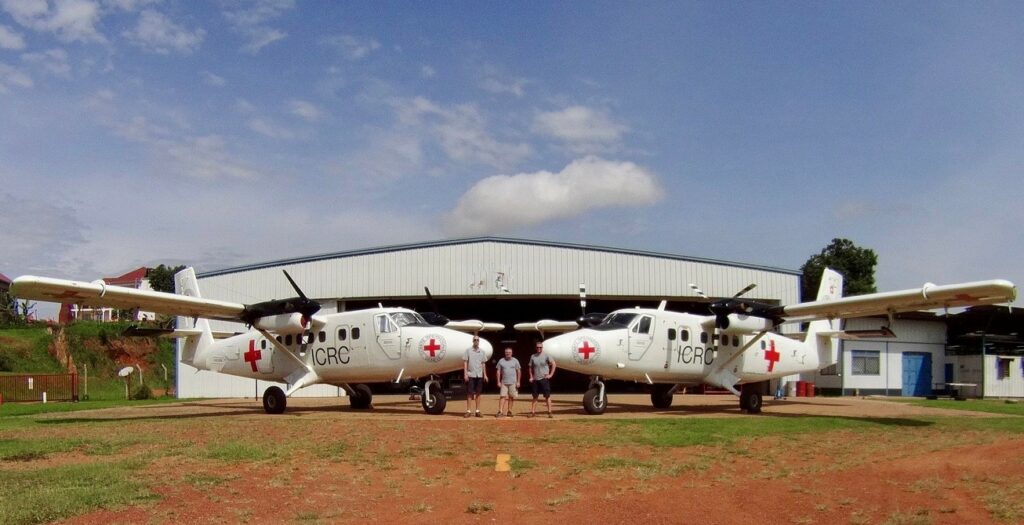
Some companies hire pilots to fly airplanes. ZIMEX hires pilots to solve missions. Flying is simply how we do it. Behind every operation, there is usually a purpose that goes far beyond the aircraft itself. Sometimes it is humanitarian support. Sometimes it is military training. Sometimes it is critical logistics in places where infrastructure is limited and alternatives simply do not exist.
From the outside, people may only see an aircraft landing on a remote airstrip. What they do not see are the decisions, people, planning, coordination and pressure behind that landing. They do not see the customer waiting, the local team depending on the operation, or the chain of events that made that flight necessary in the first place.
At ZIMEX, the aircraft is rarely the mission itself. It is the tool that allows the mission to happen.
Adaptability Becomes Part of You
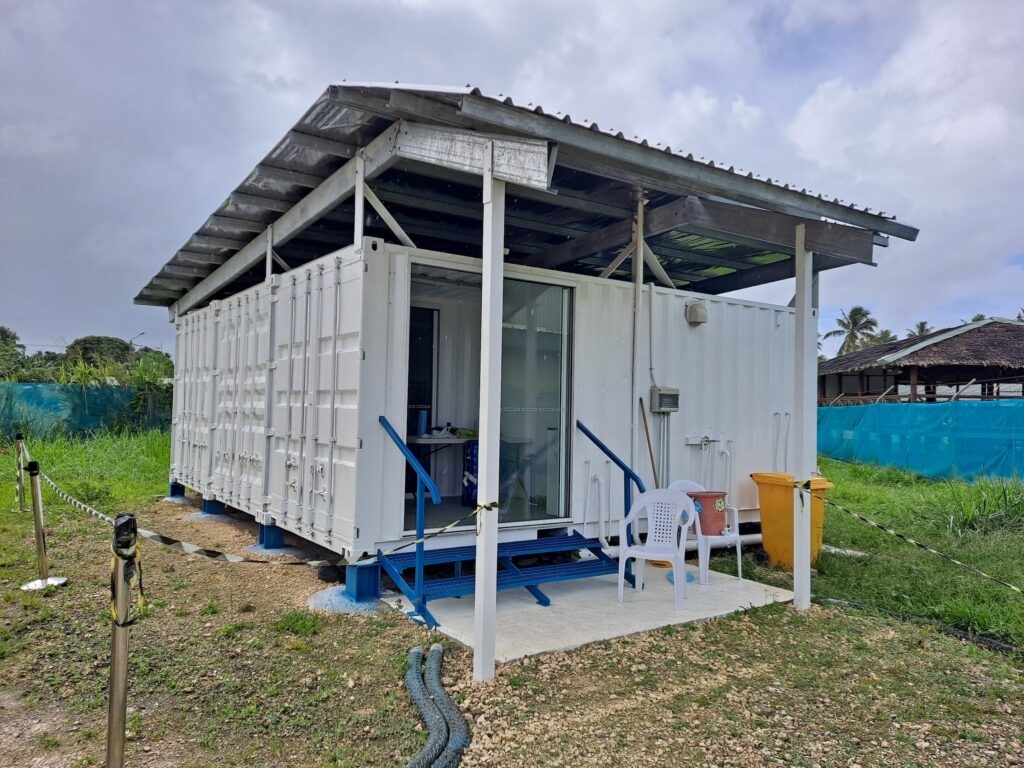
One of the first things you learn at ZIMEX is that certainty is a luxury. One month, you may be training crews for special surveillance missions in Northern Europe. A few weeks later, you may be operating in Central Africa. Later, you may find yourself living for weeks in a container in the middle of the desert, far from any city, supporting an operation where flexibility matters more than comfort.
Suriname, South Sudan, Burkina Faso, the Democratic Republic of the Congo, Denmark, Saudi Arabia, Qatar. Each project brings its own reality. Different countries, different cultures, different customers, different risks, different ways of working.
The destinations change. The mission changes. The environment changes. And if you want to succeed, you have to change with them.
Adaptability is not just a skill at ZIMEX. It becomes a way of thinking.
Problems Are Part of the Mission
People sometimes ask what makes this kind of aviation different. For me, the answer is simple: uncertainty.
Commercial aviation is built around predictability. Special mission aviation often is not. Plans evolve. Weather changes. Infrastructure fails. Priorities shift. Logistics become complicated. What looked clear in the morning may require a completely different solution by the afternoon.
Within our teams, we sometimes use the expression “Operation Normal.” We usually say it with a smile, especially when the operation becomes chaotic, unpredictable or apparently unmanageable. It is our way of acknowledging that what might look like a crisis from the outside is, in many cases, simply another operational day.
Over time, you realise that the pilots who thrive in this environment are not always the ones with the most flight hours. They are the ones who remain calm when plans disappear. They do not waste energy complaining about the problem. They immediately start asking what comes next.
At ZIMEX, uncertainty is not an exception to the job. It is the job.
Making the Impossible Possible
One conversation has stayed with me since I joined the company.
A captain I deeply respect once told me that, when he was at home, his neighbours sometimes asked him why he kept choosing this kind of work. Why live with so much uncertainty? Why spend time away from home? Why accept missions in places most people would never consider going?
He smiled when he told me this, because he knew they could not fully understand it. Then he said something I have never forgotten: “We make the impossible possible.”
At first, it may sound ambitious. After a few years in this environment, you realise it is simply accurate. Our mission starts where the missions of others end! Many of our operations begin precisely because the conventional solution is no longer available. Something needs to happen, someone needs support, an aircraft needs to move. Our job is to find a way, safely and responsibly, when the easy options have already run out.
That is often where ZIMEX begins.
Seven Nationalities, One Crew
On one deployment, I had the privilege of working with a group of seven ZIMEX pilots from seven different cultures: Germany, France, Fiji, Australia, South Africa, Spain and the United States.
Different accents. Different backgrounds. Different ways of thinking. Some came from military environments, others from civilian operations, others from years of international flying in demanding regions of the world.
But once the briefing started, none of that separated us. We were operating in a country unfamiliar to all of us, in a complex environment, with a mission that required coordination, trust and discipline. There was no room for ego. No room for cultural arrogance. No room for individualism disguised as experience.
We had to become one crew.
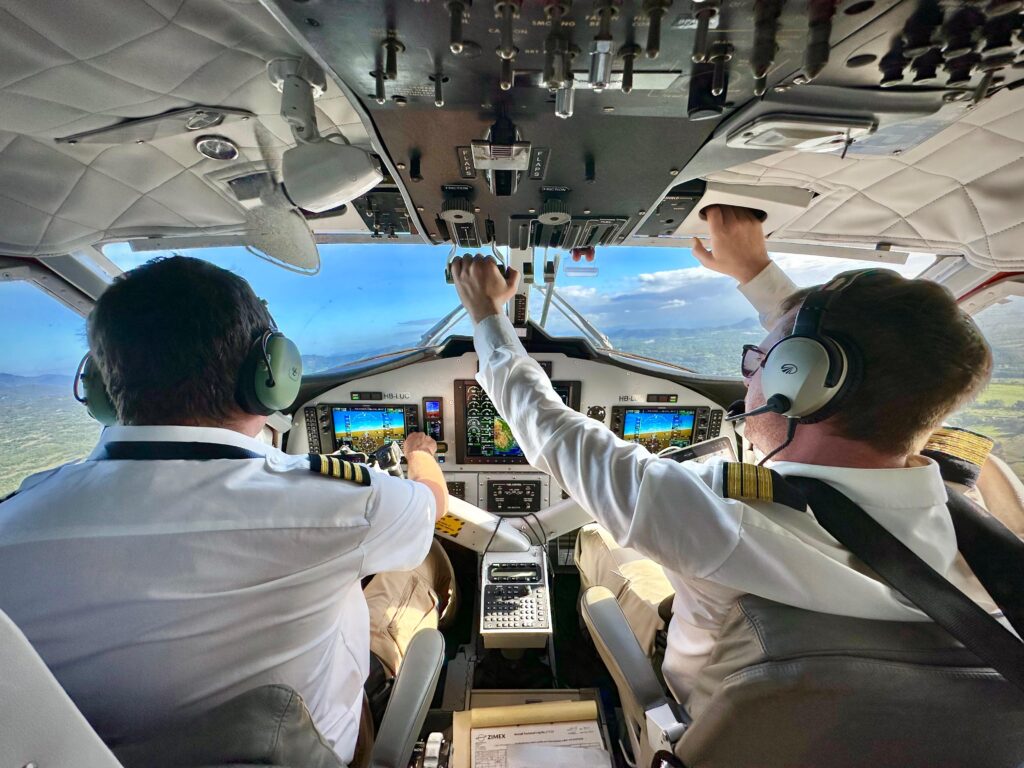
That is one of the most powerful things about ZIMEX. You do not simply learn how to fly with excellent pilots. You learn how to trust people who may see the world very differently from you, but who share the same operational standard when the mission begins.
The Challenge Is Not Always the Aircraft
Many pilots imagine that the hardest part of international operations is the flying itself. Sometimes it is. But often, the real challenge is everything around the aircraft.
You have to understand the customer. You have to understand the local environment. You have to work with people from different organisations, cultures and professional backgrounds. You have to listen before speaking, observe before judging, and accept that your way of doing things is not always the only valid way.
Technical competence is essential, of course. But it is not enough. In this kind of operation, humility travels better than ego. Curiosity travels better than certainty. Respect travels better than authority.
A pilot who cannot adapt culturally will always struggle more than necessary in international aviation.
The Other Side of the Rotation
People often focus on the intensity of deployments, but they sometimes overlook the other side of this lifestyle: the time at home.
There are not many companies that allow you to spend significant periods of the year away from flying, with real time for your family, your personal projects and your own recovery. And when you return from a demanding deployment, that time means more than it did before.
You stop taking ordinary life for granted. Breakfast with your family. Walking through your hometown. Sleeping in your own bed. Being present without checking the next operational update every few minutes.
There is a strange balance in this profession. The time away from home can be demanding, but it also teaches you the value of being home with a level of clarity that few careers provide.
One Thing Nobody Warned Me About
There is one thing nobody told me before joining ZIMEX: this job becomes addictive.
Not because of adrenaline. Not because of adventure. Not even because of the aircraft, although few machines represent the spirit of this kind of flying better than the Twin Otter, an aircraft that after more than sixty years still feels like it was built for people who want to go further than the map comfortably allows.
What becomes addictive is the growth.
Every mission asks something different from you. Every deployment stretches your judgement. Every challenge forces you to become more capable, more flexible, more patient and more decisive.
You do not simply accumulate flight hours. You accumulate experiences that change the way you think, lead and make decisions.
Eventually, you realise that what keeps bringing you back is not only the destination. It is the person you become through the mission.
So, Is ZIMEX for You?
Maybe. Maybe not.
If your ideal aviation career is built around routine, predictability and comfort, there are many excellent companies where you will probably be happier. There is absolutely nothing wrong with that.
But if uncertainty motivates rather than intimidates you, if solving problems gives you energy, if different cultures make you curious, and if you believe aviation can serve something greater than transportation, then perhaps ZIMEX is the kind of place where you will recognise yourself.
One day, your phone may ring: “José, I need you.”
It is one of those classic calls from operations. No long speech. No dramatic introduction. Just a simple message that somewhere, somehow, something needs to be solved.
A mission needs support. An aircraft needs to move. A team needs help. Someone is waiting.
The question is not whether the mission matters.
The question is whether you are ready to answer the call.
Because, in the end, that is what being a ZIMEX pilot really means.
#ZimexAviation #pilotlife #oneteammanybackgrounds #remoteoperations #safety #trust #culture